
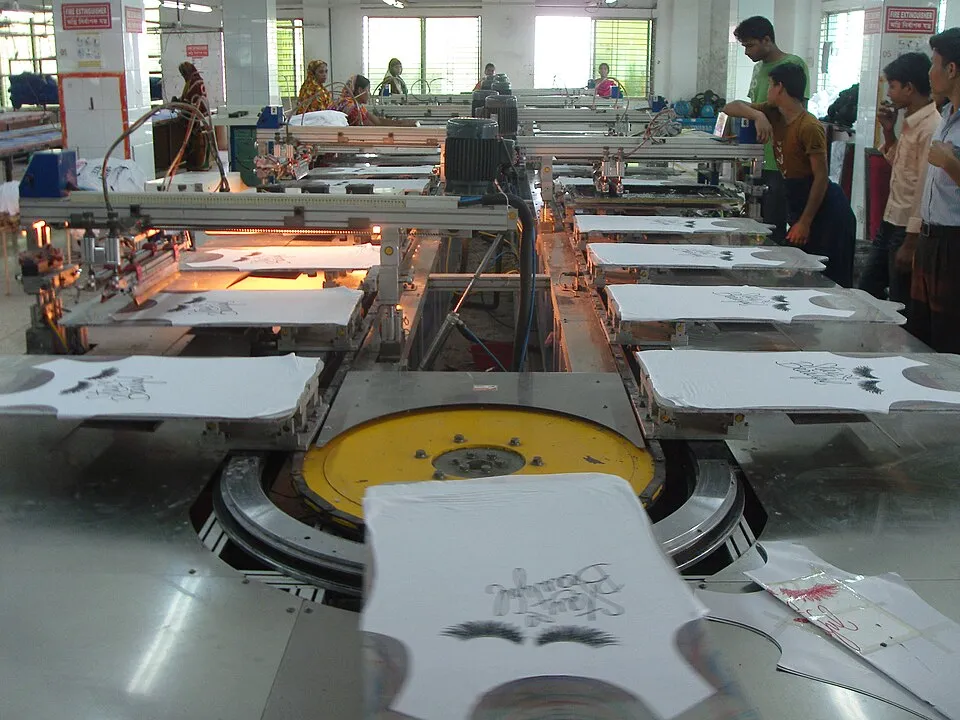
Start with the decision
Define quantity, image quality, substrate, service period and finishing. Different print processes can meet different constraints. Begin with feasible complete routes rather than assigning a universal environmental winner to a process name.
Build the record
Record actual ink system, equipment or method, substrate, coverage, drying or curing, cleaning, waste and energy inputs where relevant. Obtain safe-use information and competent production review. Keep each input’s source, units and scope.
Check before acting
Align output quality and boundaries, including rejects, finishing and replacement where applicable. Seek suitable data before a numerical comparison. A water-based, solvent-based or UV label does not prove harmless chemistry or total lifecycle superiority.
Worked example — illustrative
A fictional campaign compares two printing routes with different finishing requirements. The analyst includes the additional film and processing needed by one route and requests missing production data. The decision table can explain fit and evidence gaps while withholding an unsupported overall-impact ranking.
Keep a useful handover
Close the “Compare print processes without claiming one always wins” decision with a named owner and a dated evidence version. The next working record is “Explore material references”. Record whether that step is planned or confirmed; retain the prior decision if new information changes the instruction.
- Define equivalent output.
- Name actual inks and process.
- Include finishing and waste.
- Check safe-use responsibilities.
- Avoid a process-wide winner.
