
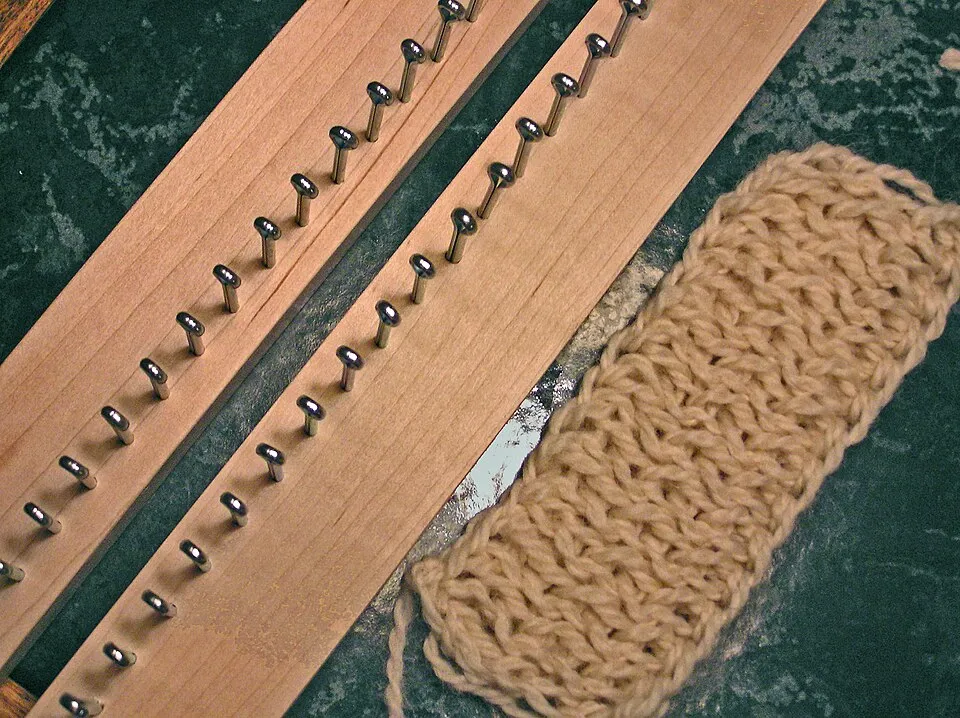
Record structure as supplied
Ask the supplier to identify the textile’s exact structure rather than inferring it from a photograph. Record knit or weave description, product variant, nominal dimensions and the relevant mass basis. Distinguish declared properties from observations of a particular sample. Similar appearance does not establish identical construction or supported service.
List coating and finishing separately
Name any coating, backing, impregnation, surface finish or post-print treatment and its applicable side. Record what remains unknown. These details belong in the assembly version alongside ink and edges, even when the initial supplier description only emphasises fibre or recycled content. Do not invent composition percentages to fill missing fields.
Ask service-specific questions
Explain the planned viewing conditions, fitting system, care, packing and duration. Request evidence for the relevant questions rather than treating a structure label as a performance rating. The source may cover base fabric only, so check what the printer or finisher must confirm about the completed graphic.
Fictional sample comparison
A team receives two visually similar swatches. One is an identified knit with a declared coating; the other has no treatment record. It compares appearance as an observation but leaves the second construction unresolved. The team requests exact information before treating either swatch as representative of the intended finished order.
Keep changes discoverable
Store the source document, issuer, date and exact variant with the accepted construction. Preserve earlier records when a supplier changes a treatment. A fuller description improves review and receiver enquiries, but it does not independently prove suitability, recyclability or lower impact. Future decisions must use the applicable supplied version.
- Identify structure and variant.
- Record treatment side and scope.
- Keep unknown details visible.
